
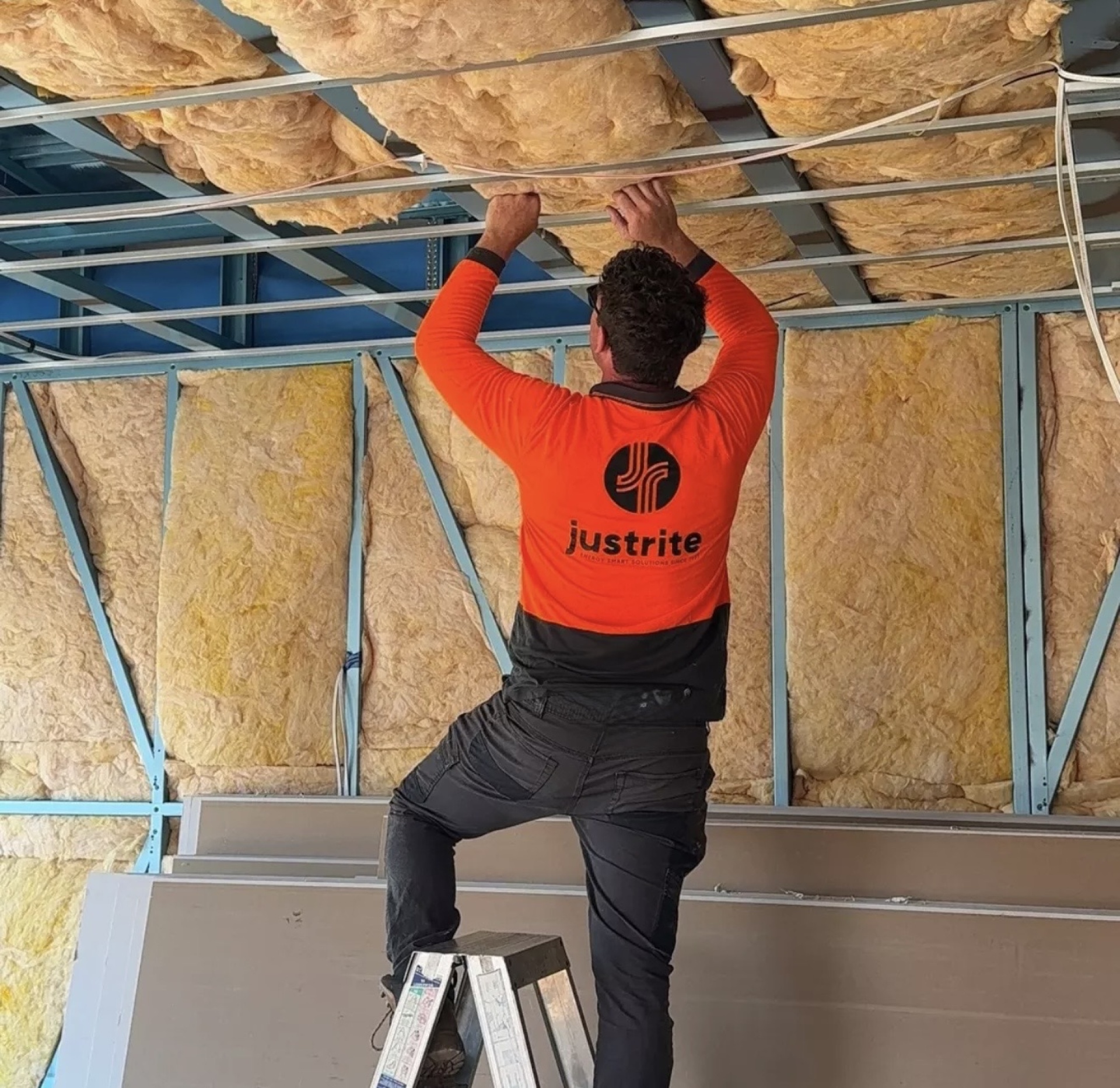
Ceiling Insulation
Sometimes improving your ceiling insulation is as simple as adding an extra layer on top of what's already there. In other cases, the best solution is to remove the old insulation and start fresh. Over time, insulation can settle or compress, which reduces the tiny air pockets that make it effective. When this happens, the insulation loses some of its ability to slow down heat transfer. This results in a lower R-value — meaning the insulation provides less thermal resistance and becomes less effective at keeping your home comfortable and energy efficient.
The type of roof construction directly impacts the kind and placement of insulation best suited for your home. Our experienced staff members will tell you what is needed once they have assessed your roof type and/or current ceiling insulation.
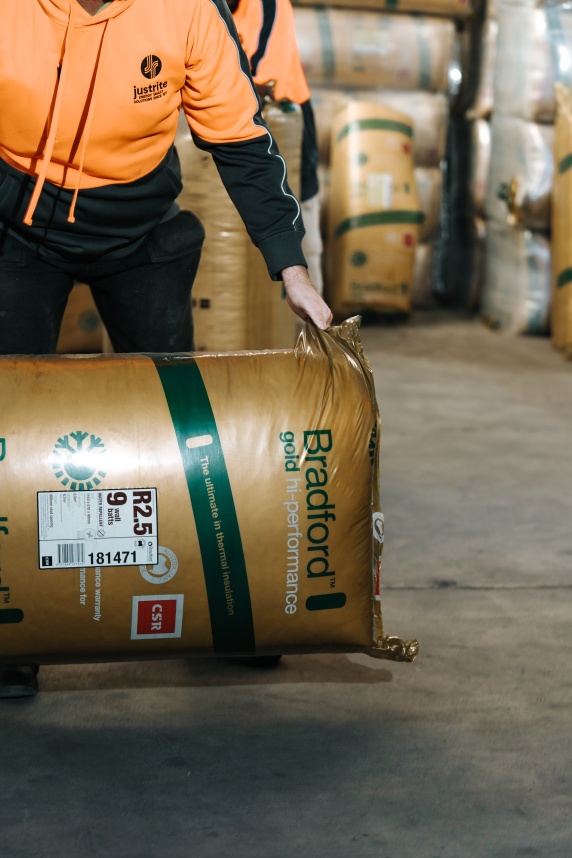
What Are The Benefits Of Ceiling Insulation?
Warmer Winters, Cooler Summers
Up to 35% of your home's energy loss happens through the roof
Lower Energy Bills
Significant savings on heating and cooling costs year-round
Cross-hatching Method
Provides a more efficient (up to 23%) form of insulating the ceiling space as it eliminates the energy lost from small gaps near the timber beams.
Professional Assessment
Expert evaluation of roof type and current insulation condition